
Late-night fevers. Unanswered portal messages. The moment you’re deciding: urgent care, ER, or wait until morning.
We’re building a new way for parents to get quick answers from pediatricians — including after-hours, weekend support, and same- or next-day appointments.
And we want to hear from moms and dads like you.



You are a successful, hardworking parent—but when common sickness hits, the system makes you feel like you've lost control.
You’re not dramatic.
We are exploring an optional service that gives you a direct line to pediatric support, without replacing the doctor you already trust.
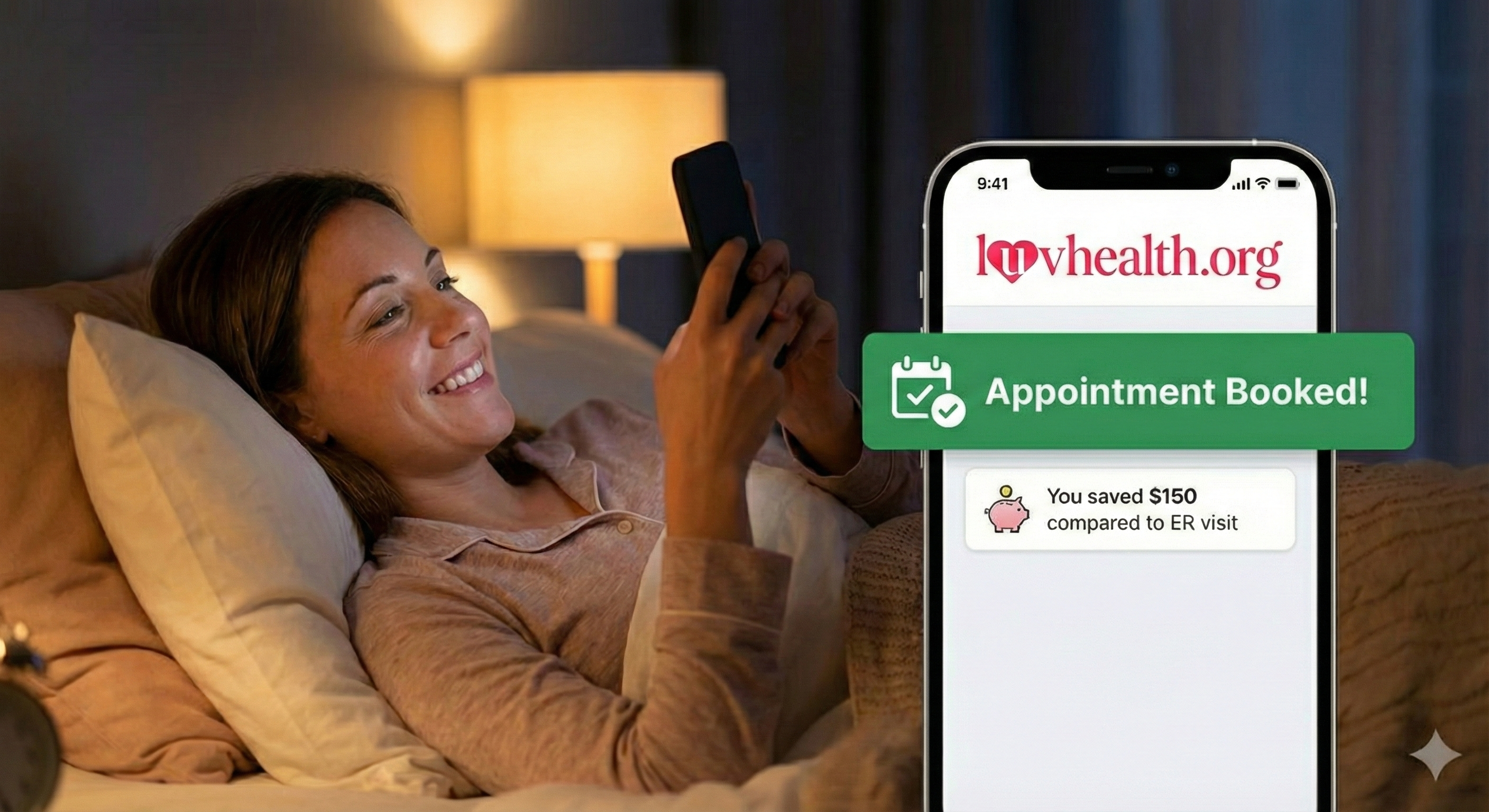
No more "hold music." Share symptoms via the platform and get a timely reply.
Keep your current doctor so you don't have to re-explain history.
After-hours, weekend, and holiday guidance when the office is closed.
Prescriptions sent instantly to your pharmacy, compounded if needed.
Records shared instantly with your pediatrician for smooth follow-ups.
Optional additional service. Does not replace your insurance.

Monitoring symptoms. Tracking temperatures. Searching symptoms. Trying to stay calm while something feels off.

Built from lived experience
My name is Devanshu “Luv” Singh.
I am a former data scientist based in Los Angeles. I was inspired to explore Luv Health after watching my mother run her own medical practice and seeing how hard it can be for both doctors and families to connect efficiently.
With my background in data science, I care about how systems work—and how they can be better for people. We are building this carefully, using parent feedback to shape a more responsive and humane way to access pediatric care.
Your honest thoughts help us design this responsibly.
Take the 2-minute surveyClear, simple details on what we’re exploring — and what we’re not.
An early-stage concept focused on faster pediatric guidance for parents, especially when questions can’t wait.
No. The goal is to support families with faster access and clearer next steps — not replace your doctor.
No. If offered, it would be optional and paid directly as an add-on. Insurance coverage stays the same.
Delayed replies, after-hours uncertainty, and difficulty getting timely appointments when your child is unwell.
That’s part of what we’re exploring — because concerns often show up outside office hours.
If your pediatrician participates, the intent is to keep continuity — the same doctor who knows your child.
We’re exploring guidance and clearer next steps. The exact scope depends on provider participation and design.
Common parent concerns like fever, cough, vomiting, rashes, and “is this urgent?” moments.
Response expectations depend on model and staffing. The goal is meaningfully faster than typical waiting.
We’re exploring where to start based on parent demand and pediatrician participation.
Privacy is central. If we build this, it will be designed with strong security and clear consent.
Just honest feedback. Even “I wouldn’t use this” helps us build responsibly.